Emotional Design in Messaging Applications

A Comparative Case Study of Snapchat and WeChat

romanslack1@gmail.com

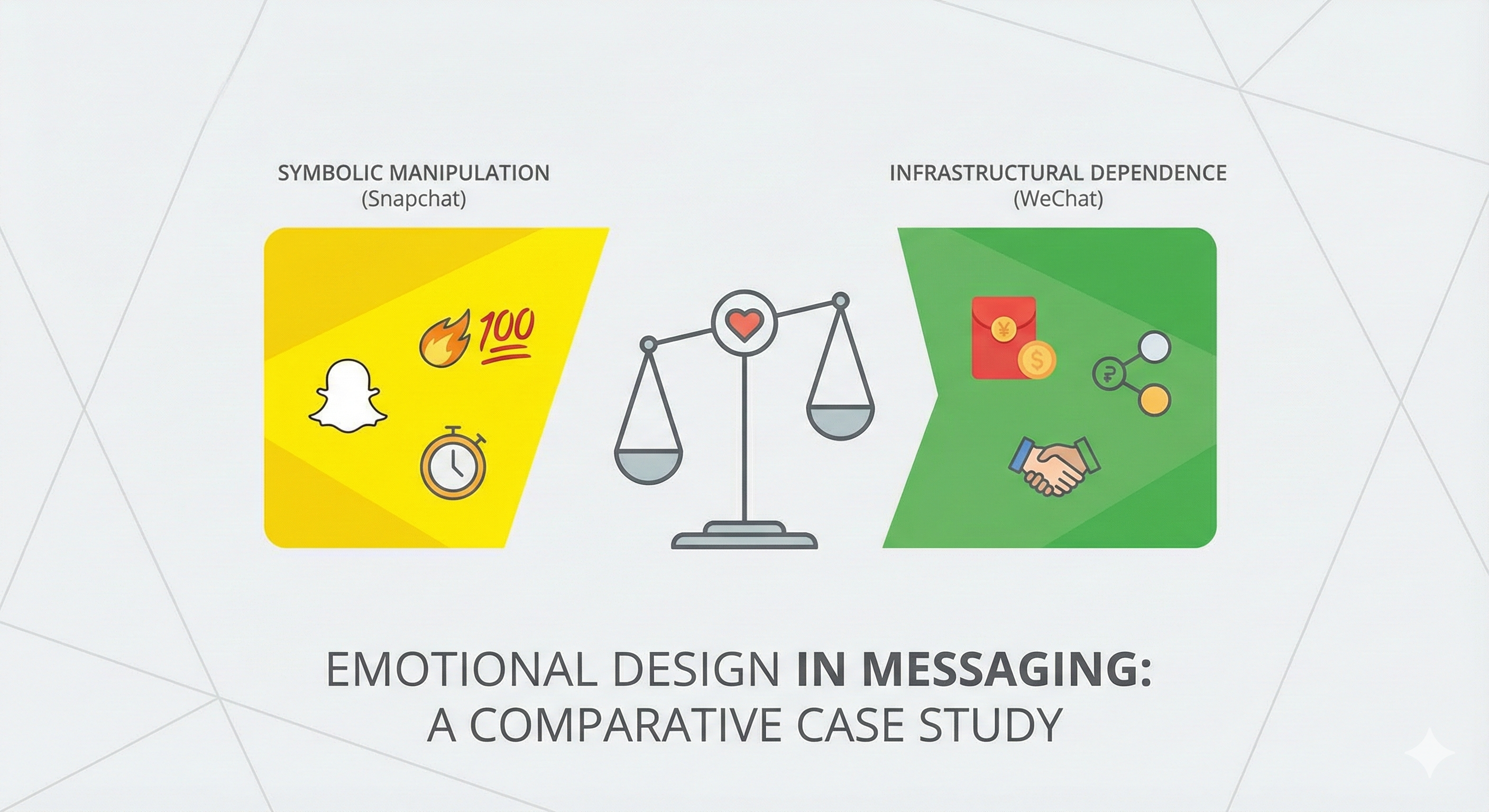
How do messaging platforms engineer emotional responses? This case study examines the symbolic manipulation of Snapchat versus the infrastructural dependence of WeChat.

Abstract

Modern messaging applications have evolved far beyond simple text transmission. They now function as sophisticated emotional architectures, designed to shape user behavior through carefully calibrated psychological mechanisms. This case study presents a comparative analysis of two dominant messaging platforms: Snapchat and WeChat.

While both platforms aim to maximize user engagement, they employ fundamentally different strategies. Snapchat leverages symbolic manipulation through streaks, emojis, and ephemeral content to create emotional urgency and social anxiety. WeChat, in contrast, embeds emotion through infrastructural necessity, cultural ritual, and social obligation, making the platform feel indispensable rather than addictive.

This study examines the specific design patterns each platform employs, the psychological principles they exploit, and the broader implications for user wellbeing and digital communication culture. Understanding these mechanisms is essential for both designers seeking ethical alternatives and users seeking awareness of the forces shaping their digital behavior.

Emotional Design in Messaging Applications

SNAPCHAT

Symbolic Manipulation Through Visual Feedback

Snapchat's emotional design philosophy centers on symbolic communication. Rather than explicitly telling users how to feel or behave, the platform uses visual cues, numerical metrics, and ephemeral mechanics to create emotional states that drive engagement. The result is a system where users experience genuine anxiety, excitement, and social pressure, all triggered by abstract symbols.

Snapstreaks: Engineered Commitment

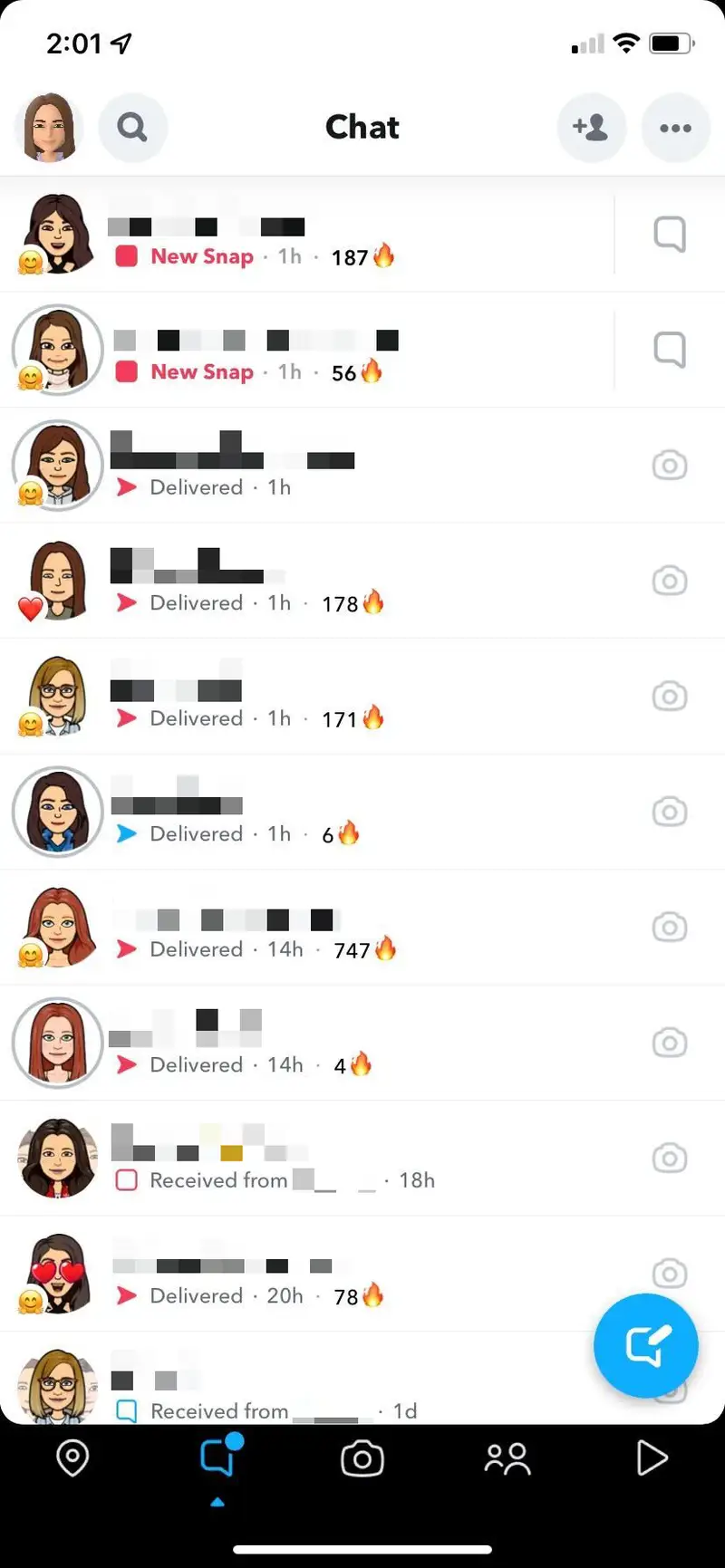
Snapchat Streaks Interface

Streak counters with fire emoji and hourglass warning indicator

Mechanism

Streaks display the number of consecutive days two users have exchanged snaps. A fire emoji appears alongside the count. When a streak is about to expire, an hourglass emoji creates urgency.

Psychological Leverage: Streaks exploit loss aversion, the cognitive bias where potential losses feel more significant than equivalent gains. Breaking a 100-day streak feels like destroying something valuable, even though the "value" is entirely constructed by the platform. This creates daily obligatory engagement divorced from genuine desire to communicate.

Bitmoji Avatars: Personalized Emotional Proxies

Mechanism

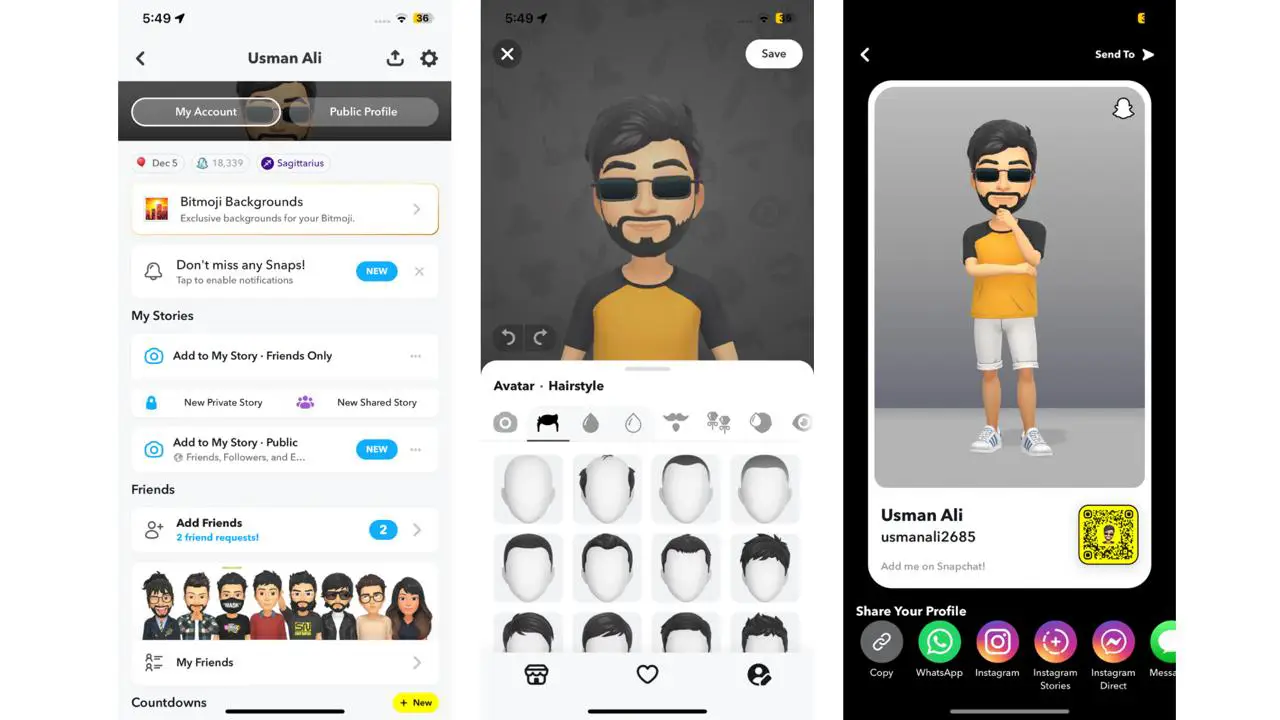
Bitmojis are customizable avatar representations with extensive personalization across appearance, clothing, pose, and emotional expression. They appear throughout the interface, from chat to Snap Map.

The avatar system serves multiple psychological functions:

  • Identity Investment: Time spent customizing creates ownership and attachment
  • Emotional Displacement: Avatars express emotions users might not verbalize
  • Social Presence: Bitmojis make conversations feel more personal than text alone
Bitmoji Customization

Bitmoji avatar with extensive customization options

Snap Map: Ambient Awareness

Snap Map Bitmoji States

Bitmoji states change based on detected user activity

Contextual Bitmoji States

Bitmojis on Snap Map dynamically change pose based on real-world context detected through device sensors:

  • Sleeping: User inactive for extended periods
  • Driving: Motion and speed detected
  • Listening to Music: Spotify or system audio playback
  • At Location: Displays venue or neighborhood name
Psychological Leverage: This creates ambient intimacy, the feeling of connection without direct communication. Users feel they "know" what friends are doing without messaging them, which paradoxically increases platform checking while reducing actual conversation.

Relationship Status Emojis

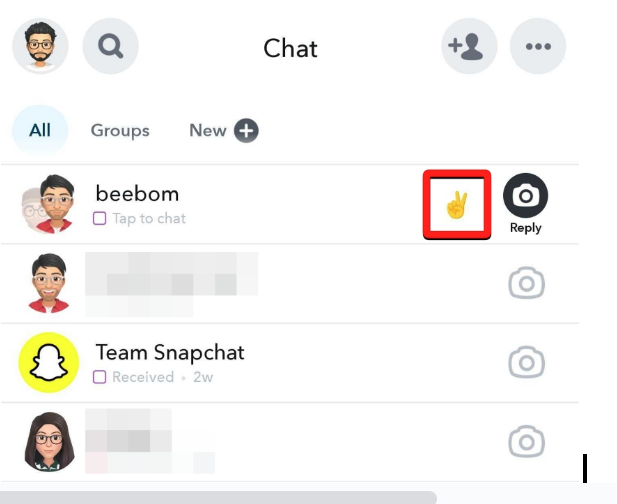
Snapchat Emoji Status

Friend emojis indicate relationship status and interaction frequency

Snapchat assigns emojis to contacts based on interaction patterns, creating a visible hierarchy of relationships:

😊
Best Friend - You message them frequently
❤️
BFF - Mutual top interaction over time
💕
Super BFF - Two weeks as each other's #1
😎
Mutual Close Friend - You share a best friend
🔥
Snapstreak - Daily exchange active
Hourglass - Streak about to expire
✌️
Active Group - Friendly, ongoing group chat
😬
Mutual Best - Your #1 is their #1 too
Psychological Leverage: These emojis communicate relationship rank without language, creating status hierarchies that users didn't request. Variable reward mechanics (emojis appear and disappear unpredictably) increase checking behavior. Losing an emoji triggers feelings of relationship decay even when nothing actually changed in the friendship.

Zodiac Integration: Identity Signaling

Mechanism

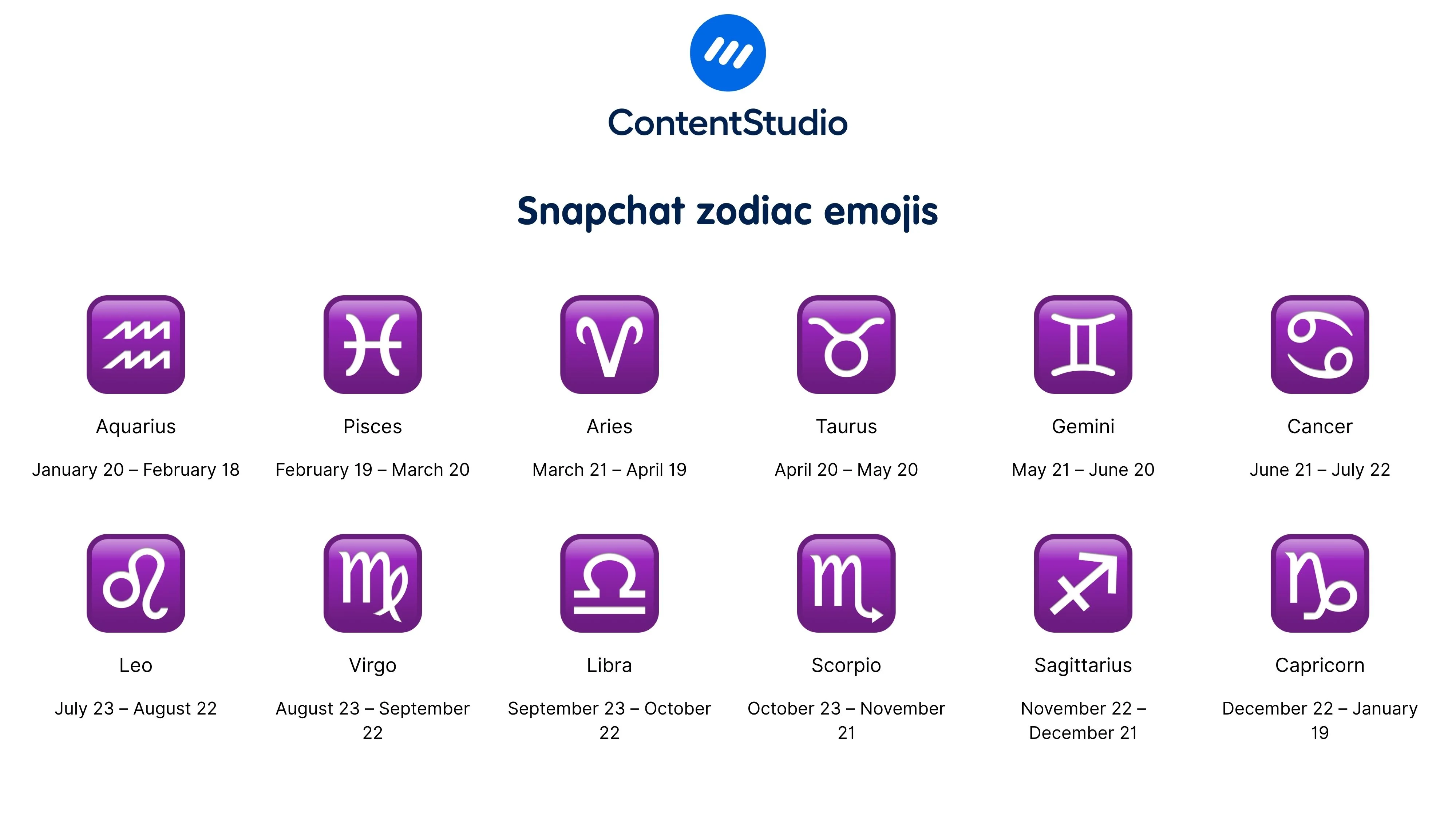
Users can display their astrological sign on their profile, shown as a zodiac emoji next to their name.

  • Serves as identity shorthand and conversation starter
  • Low-cost personalization with high cultural familiarity
  • Creates pseudo-intimacy through symbolic identity sharing
Snapchat Zodiac Feature

Zodiac signs displayed on user profiles

Message States: Surveillance Awareness

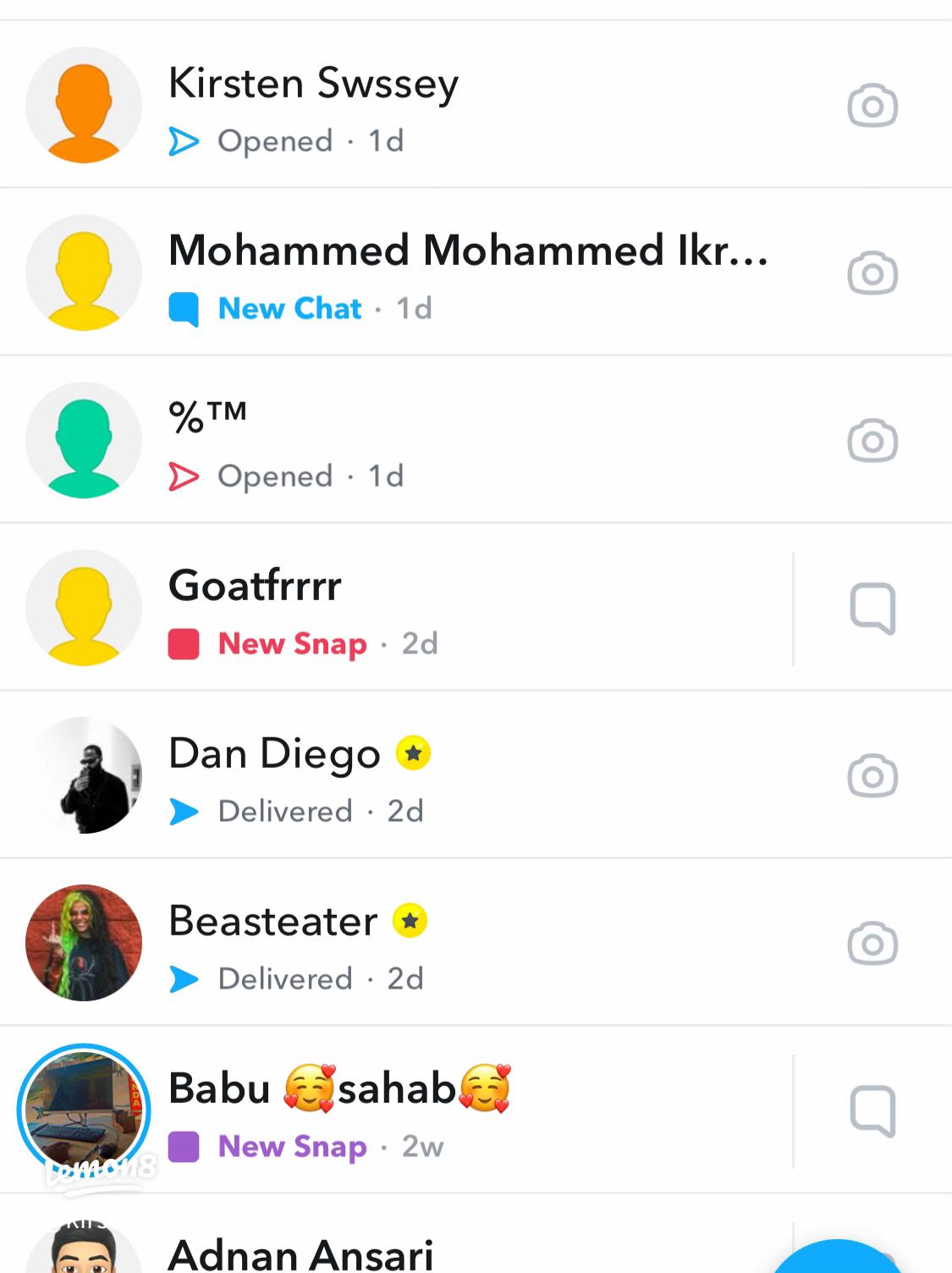
Message Read States

Delivered, opened, and screenshot indicators

Emotional Tripwires

Snapchat's message states create a surveillance-aware communication environment:

  • Delivered: Neutral confirmation
  • Opened: Confirms attention was given
  • Screenshot: Triggers vulnerability and trust awareness
  • Replay: Signals heightened interest or scrutiny
Psychological Leverage: Users know they are being observed observing others. Screenshot notifications create accountability for attention, fundamentally changing what "looking" means in digital space. Every view becomes a visible social act.

Snapscore: Gamified Reputation

Mechanism

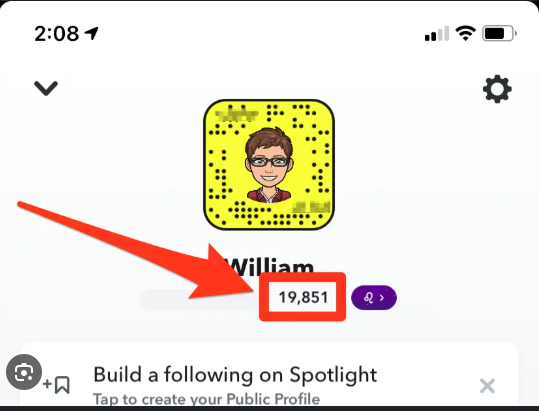
A numeric score tied to total snaps sent and received. The exact formula is deliberately opaque.

  • Encourages volume over meaning
  • Functions as abstract status metric
  • No clear optimization path visible to users
  • Higher numbers signal "platform commitment"
Psychological Leverage: Snapscores gamify social behavior without clear rules. Users engage more to increase a number whose meaning they cannot fully understand, creating engagement detached from communication quality.
Snapscore Display

Snapscore displayed on user profile

Private Stories

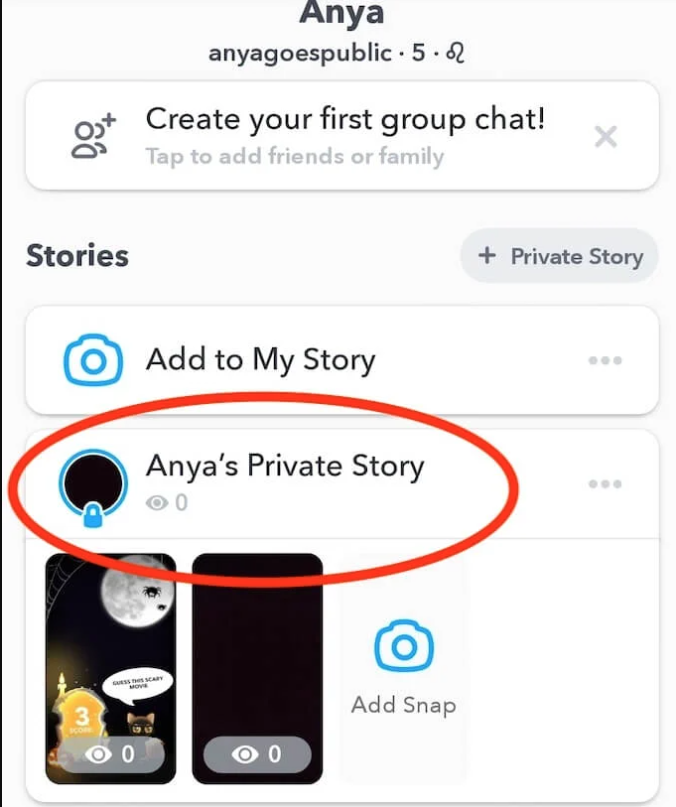
Private story audience selection

Private Stories: Controlled Intimacy

Mechanism

Users can create stories visible only to a selected subset of friends, creating tiered social circles.

  • Signals trust through selective inclusion
  • Creates explicit inner-circle dynamics
  • Exclusion becomes visible social information
Psychological Leverage: Private stories formalize social hierarchies. Being included feels like earned intimacy; being excluded creates anxiety about social standing. The feature manufactures "closeness" through access control.

Typing Indicators: Anticipation Engineering

Mechanism

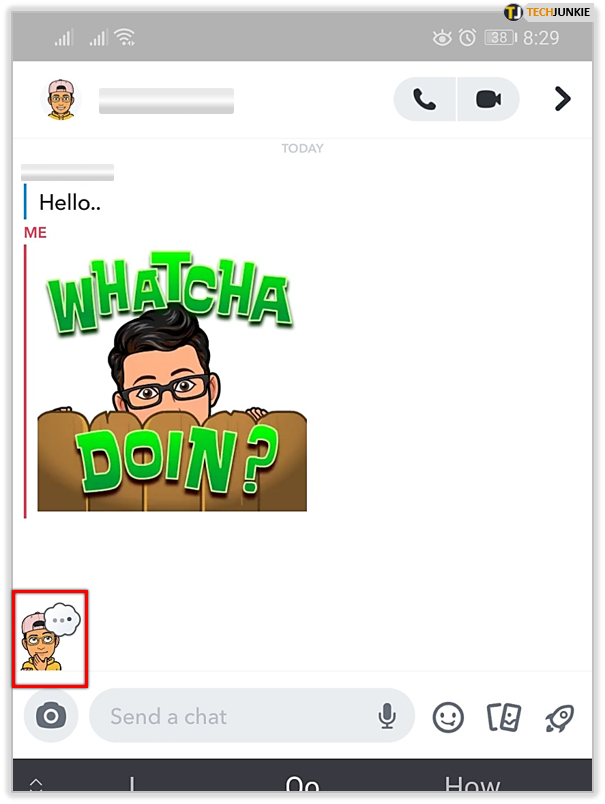
Real-time display of when another person is actively typing, often shown as a Bitmoji with animated elements.

Psychological Leverage: Typing indicators create micro-anticipation cycles. Users watch and wait, attention locked on the interface. The indicator appearing and disappearing (when someone types, deletes, retypes) creates anxiety about what's being composed. It transforms asynchronous messaging into quasi-synchronous attention capture.
Typing Indicator

Bitmoji-based typing indicator

Disappearing Messages: Safety Through Ephemerality

Mechanism

Snaps default to deletion after viewing. Messages disappear unless explicitly saved.

  • Reduces permanence anxiety: Content won't haunt users later
  • Encourages impulsive expression: Lower stakes for sharing
  • Lowers reputational risk: Mistakes don't persist
Psychological Leverage: Ephemerality creates a sense of safety that encourages more frequent, less filtered sharing. Users send content they wouldn't post permanently, increasing engagement volume. The platform benefits from reduced inhibition.

Key Insight: Snapchat's Emotional Architecture

Snapchat manipulates emotion through symbols, metrics, and visibility. It creates urgency through artificial scarcity (streaks, ephemeral content), status anxiety through visible relationship hierarchies (emojis, scores), and social pressure through surveillance awareness (read receipts, screenshots). The platform feels addictive because it constantly manufactures emotional micro-events that demand response.

WECHAT

Infrastructure as Emotional Architecture

WeChat represents a fundamentally different approach to emotional design. Unlike Western social applications that optimize for expression and entertainment, WeChat optimizes for social obligation, trust enforcement, and real-world coordination. Emotion is embedded indirectly through utility, ritual, and notably, through strategic silence. The result is a platform that doesn't feel addictive, it feels necessary.

Red Packets (红包): Ritualized Emotion

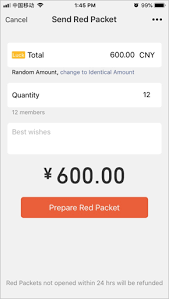
WeChat Red Packets

Red packet interface showing amount and recipient

Mechanism

Digital red packets allow users to send money to individuals or groups. Group packets can distribute amounts randomly or evenly, creating a race to claim them. Amounts are publicly visible.

The psychological dynamics are multilayered:

  • Converts generosity into spectacle: Giving becomes visible performance
  • Creates competition within cooperation: Recipients race to open first
  • Enforces reciprocity norms: Cultural expectation to return the gesture
  • Triggers gratitude and social debt: Receiving creates obligation
Key Insight: Red packets encode emotion as economic obligation, not expression. No emoji needed, the money itself carries cultural meaning derived from centuries of tradition now digitized and amplified.

Moments: Constrained Visibility

Intentional Design Constraints

WeChat Moments (朋友圈) is deliberately limited compared to Western social feeds:

  • No public follower counts
  • Limited reposting capabilities
  • Comments visible only to mutual friends
  • No algorithmic virality comparable to Facebook or TikTok

These constraints serve specific psychological functions:

  • Prevents performance inflation: No incentive to chase metrics
  • Encourages socially safe posting: Reduced fear of judgment
  • Preserves face and reputation: Mistakes stay contained
  • Reduces anxiety from public comparison: No visible popularity rankings
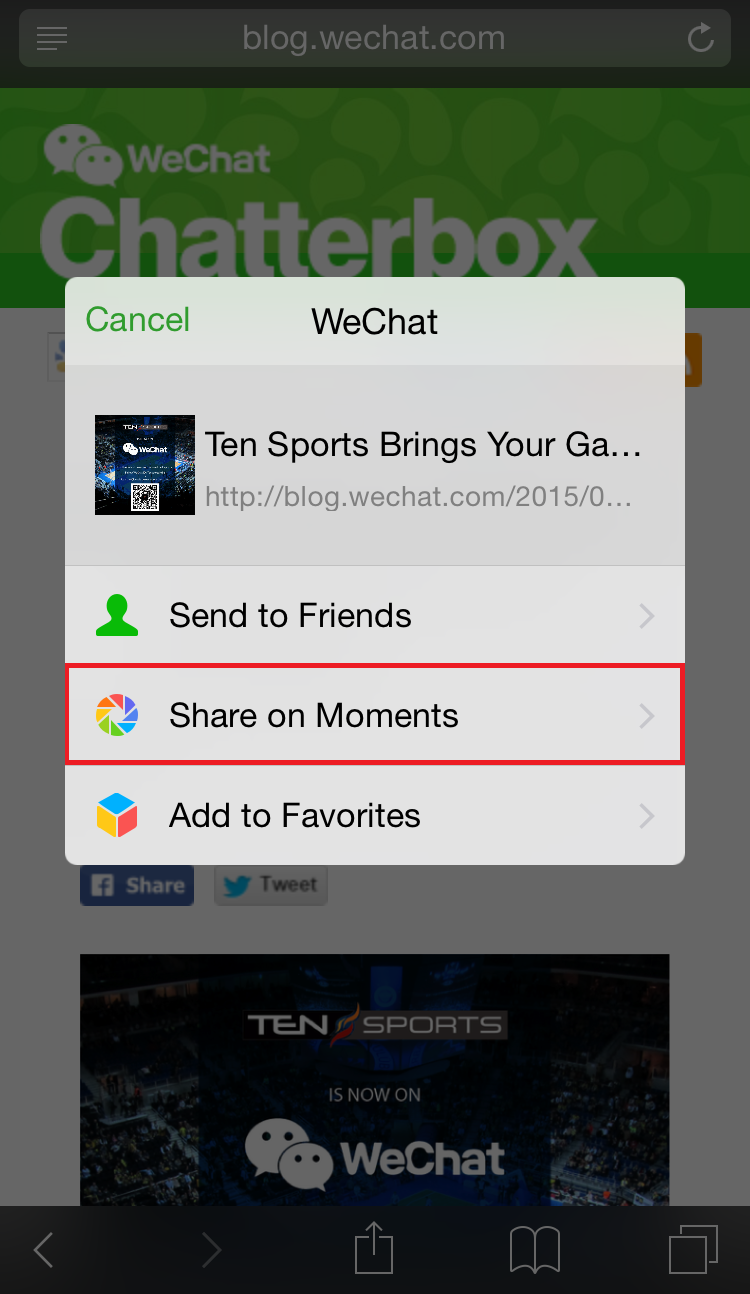
WeChat Moments

WeChat Moments interface with limited social signals

Design Philosophy

WeChat actively suppresses attention economy dynamics to protect social harmony. Where Snapchat creates anxiety to drive engagement, WeChat reduces anxiety to maintain utility.

Asymmetric Read Receipts: Privacy vs. Accountability

One of WeChat's Most Intentional Design Decisions

One-to-One Chats

No read receipts. Plausible deniability preserved. Users can ignore messages without social consequence.

Group Chats

Read receipts visible. Participation pressure enforced. Authority figures can see who has acknowledged information.

Psychological Leverage: This asymmetry serves cultural function. Individual relationships remain low-pressure spaces where "saving face" is possible. Group contexts enforce accountability and respect for hierarchy. Authority figures (managers, elders, officials) gain silent control over attention. Lurking becomes socially visible and therefore discouraged.

Integrated Payments: Trust as Infrastructure

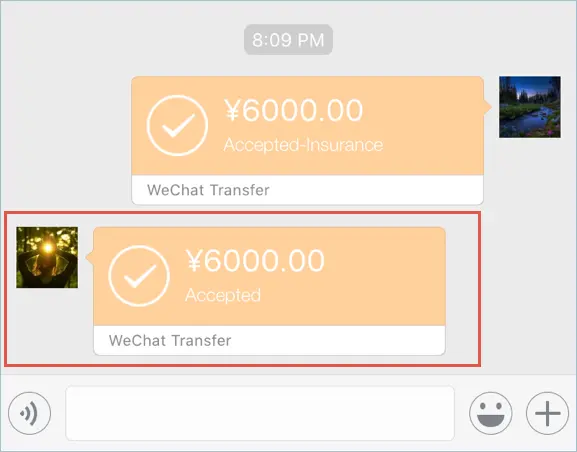
WeChat Pay Transfer

Seamless payment transfer within chat interface

WeChat Pay as Social Spine

WeChat Pay is not a feature, it is the infrastructure that makes leaving impossible:

  • Pay friends directly in chat
  • Split bills instantly
  • Pay vendors, taxis, rent
  • Government services and utilities
  • No app switching required
Psychological Leverage: Trust collapses into convenience. Financial behavior becomes relational, friends are payment contacts. Switching costs become insurmountable. Emotion arises from dependence and reliability, not novelty or excitement. The platform becomes life infrastructure.

Mini Programs: Invisible Ecosystem Lock-in

Apps Within the App

Mini Programs are lightweight applications that run inside WeChat without installation:

  • Banking and finance
  • Dating services
  • Food delivery
  • Government services
  • Games and entertainment
  • E-commerce

The psychological effects are subtle but profound:

  • No install friction: Services appear instantly
  • No visible app boundaries: Everything feels like "WeChat"
  • Reduces decision fatigue: One interface for everything
  • Centralizes daily life: Leaving means leaving everything
Key Insight: WeChat minimizes emotional spikes and maximizes ambient dependence. There's no dopamine rush, just quiet necessity.

Strategic Silence: Absence as Design

What WeChat Doesn't Do

Compare WeChat's restraint to Western app patterns:

Western Apps WeChat
Aggressive push notifications Minimal, restrained notifications
Streak mechanics and counters No gamification of communication frequency
"You haven't posted in 3 days!" guilt No engagement guilt language
Visible social decay indicators Relationships remain private
Psychological Leverage: Silence equals normalcy. Engagement feels voluntary rather than coerced. Users internalize responsibility for their behavior without external prompting. This reduces reactance, the psychological resistance that occurs when people feel their freedom is being threatened. WeChat uses absence as emotional regulation.

Social Hierarchy Preservation

Digital Mirror of Society

WeChat reflects real social structure rather than flattening it:

  • Elders and bosses dominate group chat dynamics
  • Younger users practice self-censorship
  • Work and family communication spaces merge
  • Social roles and expectations persist digitally

This architectural choice has significant implications:

  • Reinforces cultural norms: Digital behavior mirrors offline expectations
  • Avoids identity fragmentation: Users maintain consistent personas
  • Encourages behavioral conformity: Platform reflects society's rules

WeChat's Philosophy

WeChat mirrors society rather than abstracting it. Where Western platforms promise liberation from social constraints, WeChat embeds and reinforces them, making the platform feel culturally native rather than culturally disruptive.

Comparative Analysis

Two Philosophies of Emotional Design

The contrast between Snapchat and WeChat reveals fundamentally different theories about how digital platforms should relate to human emotion and social behavior. Neither approach is "better" in absolute terms, but understanding the mechanisms illuminates the choices designers make and the tradeoffs users experience.

Dimension Snapchat WeChat
Core Strategy Symbolic manipulation Infrastructural dependence
Emotional Trigger Anxiety, urgency, FOMO Obligation, trust, necessity
Engagement Model Feels addictive Feels necessary
Social Graph Visible, gamified hierarchies Mirrors real-world hierarchies
Notification Style Aggressive, guilt-inducing Restrained, respectful
Content Permanence Ephemeral by default Persistent but constrained
Privacy Model Surveillance awareness (screenshots) Selective opacity (no 1:1 read receipts)
Cultural Stance Liberating from social norms Reinforcing social norms
Switching Cost Emotional (losing streaks, status) Practical (losing payments, services)
User Emotion Excitement, anxiety, validation Security, obligation, inevitability

The Psychological Spectrum

These platforms represent opposite ends of a spectrum in emotional design:

Snapchat: Manufactured Emotion

  • Creates emotional events that wouldn't exist otherwise
  • Symbols acquire meaning through platform mechanics
  • Urgency is artificial but feels real
  • Status is computed and displayed
  • Users feel the platform doing things to them

WeChat: Embedded Emotion

  • Channels existing social emotions into digital form
  • Cultural rituals are digitized, not invented
  • Necessity is real and practical
  • Status reflects offline reality
  • Users feel the platform as invisible infrastructure

Implications for Design Ethics

This comparison raises important questions for designers and users alike. Snapchat's approach is often criticized as "dark pattern" design, manufacturing anxiety to drive engagement metrics. However, WeChat's approach, while less anxiety-inducing, creates its own concerns: inescapable dependence, reinforcement of potentially oppressive social hierarchies, and fusion of personal communication with financial and governmental systems.

Neither platform is emotionally neutral. Both make choices that shape user psychology. The difference lies in how visible those choices are and what values they encode. Snapchat's manipulations are often legible once explained; WeChat's are embedded so deeply in utility that they become invisible.

The Central Finding

Snapchat manipulates emotion through symbols. Users experience the platform as something happening to them, a system of rewards and punishments mediated by emojis, numbers, and timers.

WeChat manipulates emotion through infrastructure. Users experience the platform as reality itself, indistinguishable from the fabric of daily life, social obligation, and economic necessity.

Both approaches work. Both raise ethical questions. The choice between feeling addicted and feeling trapped may ultimately be a choice between different forms of the same underlying dynamic: the platform's interests becoming the user's habits.

Conclusion

This case study has examined how two major messaging platforms, Snapchat and WeChat, employ fundamentally different strategies to shape user emotion and behavior. Snapchat's symbolic manipulation creates artificial urgency, visible status hierarchies, and gamified social relationships. WeChat's infrastructural embedding makes the platform feel necessary rather than addictive, channeling existing cultural norms and practical dependencies.

For designers, these examples offer a crucial lesson: emotional design is not optional. Every interface choice, from notification timing to read receipt visibility to the presence or absence of streaks, shapes how users feel and behave. The question is not whether to influence emotion, but how consciously and ethically to do so.

For users, awareness of these mechanisms is the first step toward agency. Understanding why a streak feels urgent, why a read receipt creates anxiety, or why leaving WeChat feels impossible allows for more intentional engagement with these platforms.

The future of messaging will likely see continued evolution of these emotional architectures. As AI integration deepens and platforms compete for attention, the sophistication of psychological leverage will only increase. Critical analysis of these design patterns, like this case study attempts, becomes essential for maintaining human autonomy in an increasingly designed world.
Citation

@article{slack2025emotional,
  author    = {Slack, Roman},
  title     = {Emotional Design in Messaging Applications: A Comparative Case Study of Snapchat and WeChat},
  year      = {2025},
}